
Introduction
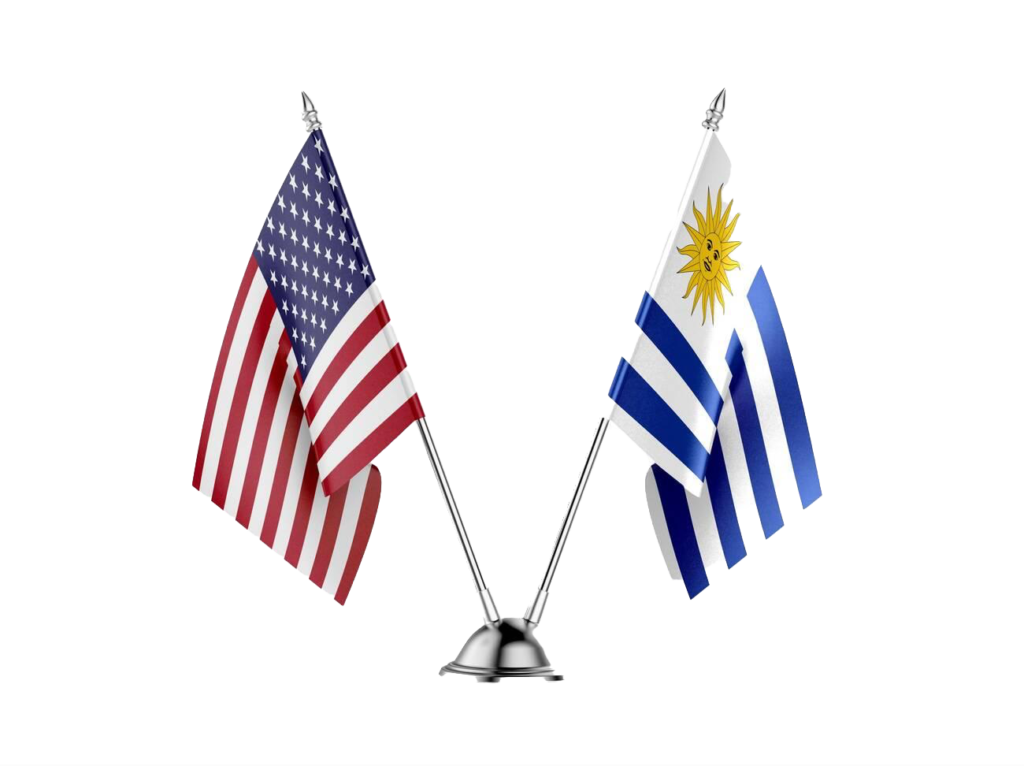
Global education prepares students to understand and engage with an increasingly interconnected world. As technology, economies, and workforce demands evolve across national boundaries, students must develop the ability to think critically, consider multiple perspectives, and apply knowledge within global contexts. Promoting global learning helps learners build cultural awareness, adaptability, and problem-solving skills necessary for success in modern STEM and career pathways.
This guide was developed through the Fulbright Teachers for Global Classrooms program to support educators in integrating global perspectives into everyday instruction. Rather than adding new content, global learning encourages educators to rethink existing curriculum through systems thinking, real-world connections, and collaborative inquiry. The goal is to help teachers maintain relevant and responsive instruction as technology and society continue to change.
LEARN
This section introduces global competence, highlights key organizations, and shares tools and resources to support global learning in education.
TEACH
This section provides ready-to-use resources, digital tools, and collaboration ideas to help educators actively implement global learning in their classrooms.
TRAVEL
This section shares reflections and experiences from my international field study and global learning journey.
About Me



I am an secondary CTAE educator in the Cobb County School District in Marietta, Georgia, teaching in the Energy and Power Pathway at Cobb Innovation and Technology Academy (CITA). My work focuses on preparing students for STEM and energy careers through hands-on, systems-based learning connected to real-world applications.
My background includes teaching Chemistry, Physics, AP Environmental Science, and Earth Science, as well as serving as a science instructional leader supporting curriculum development and teacher collaboration. I hold a Master of Science degree in Geology and am currently pursuing an EdD in Curriculum and Instruction with a focus on STEM education.
As a 2025–2026 Fulbright Teachers for Global Classrooms participant, I explore how global perspectives and educational systems can inform adaptable, globally minded teaching practices that prepare students for an interconnected world.
GUIDING QUESTION & REFLECTION
How do educators in Uruguay adapt curriculum and instruction to keep pace with rapidly evolving technology?