
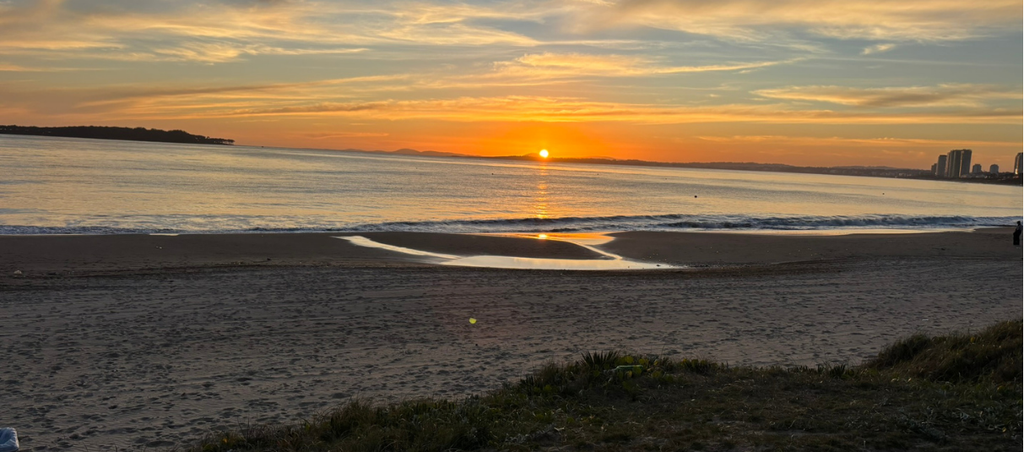
Sometimes the best way to understand another perspective is to experience it.
Travel provides opportunities to learn beyond books, classrooms, and familiar systems. Through the Fulbright Teachers for Global Classrooms program, I traveled to Uruguay to learn alongside educators, students, and fellow Fulbrighters while exploring education, culture, and community in a different national context.
How do educators in Uruguay adapt curriculum and in struction to keep pace with rapidly evolving technology?
I entered Uruguay with this guiding my observations. I wanted to understand what technology was available, and how teachers actually used it, how they learned to use new tools, and how technology fit within the larger education system.



Look Beyond The Device

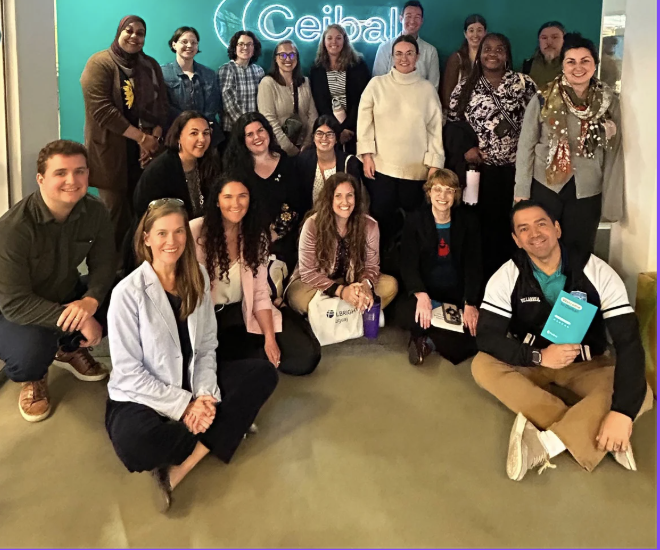
Uruguay has made a significant investment in educational technology through Ceibal, including providing devices to students and offering professional learning for educators. At Ceibal, I saw an intentional effort to make emerging technologies approachable for teachers through tools such as micro:bit and MakeKit and through professional development designed for practical implementation.
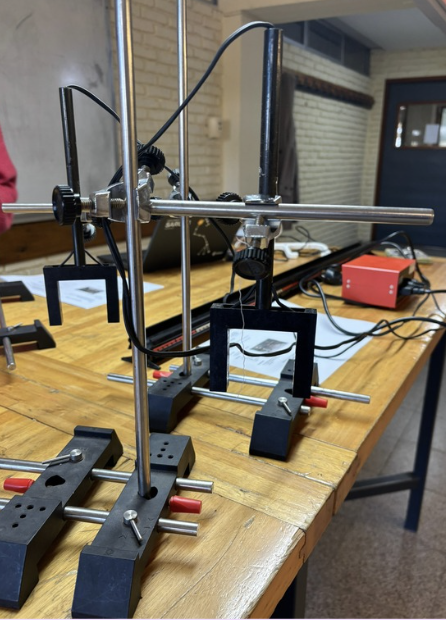
Yet the classroom I visited told a more complicated story. Technology was not constantly visible in instruction. Classroom displays were often small, equipment sometimes had to be checked out, and teachers worked with the resources available to them. My host teacher, for example, had taught herself software that allowed students to use sensors and electronic timing equipment to investigate acceleration. That contrast reminded me of something familiar from the United States: providing technology and integrating technology into everyday instruction are not the same thing.
Innovation depends on the technology available, and on the systems that help teachers turn access into meaningful learning.
Learn with people

My host teacher became one of the most meaningful parts of my experience. We began communicating before I traveled to Uruguay, exchanging ideas and planning the lesson we would teach together. By the time I arrived, we were not beginning a collaboration, but instead, we were continuing one.
She welcomed me into her classroom, shared her teaching practices and resources, answered my questions, and helped me understand what I was observing. We also learned from one another as educators.
Collaboration in Action

For our joing physics lesson, we used soccer to explore force, mass, and acceleration. The context was intentionally familiar to the students, while the physics required them to reason, discuss, and solve problems together.
Relevance creates an entry point for learning.

“Four Stars. That’s Good”
I traveled to Uruguay during the 2026 World Cup. I am not a soccer fan, but I knew how important the sport was to the people I would meet, so I bought a Uruguay jersey.
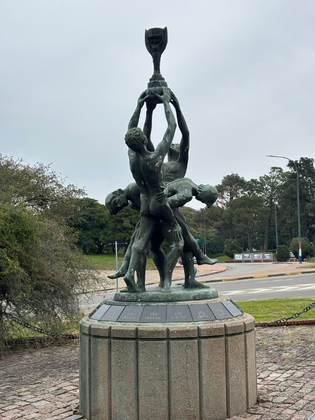
A student looked at my jersey and said, “Four stars. That’s good.” I had no idea what that meant.
That small interaction sent me searching for the answer and led me into the history of Uruguay’s relationship with international soccer. More importantly, it reminded me that cultural understanding often begins with curiosity. A question I never planned to ask became something I wanted to understand because a student had given me a reason to ask it.
That same principle influenced my teaching. I used soccer as a context for my physics lesson because it gave students a familiar starting point for an unfamiliar teacher and another language.
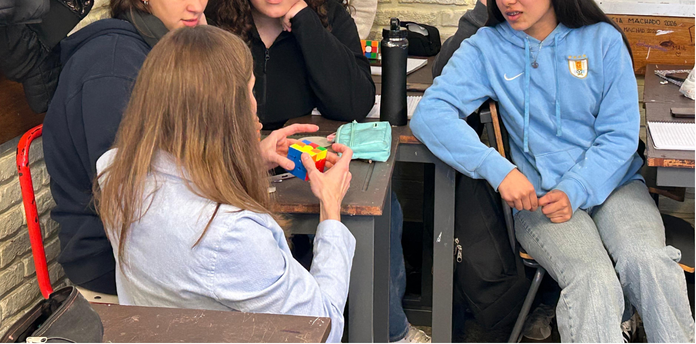


I brought a Rubik’s Cube to Uruguay without expecting it to become part of the experience beyond the classroom instruction. I learned a simple solving pattern years ago so that I could teach it to my 6th grade students during hybrid learning. Since then, I have taught the pattern to countless students and adults.
In Uruguay, students became curious about the cube, and our host guide asked me to teach her. Something I had learned for one group of students years earlier became another small opportunity for connection. Global exchange does not require having something extraordinary to offer. Sometimes it begins by sharing something you know and willing to learn what someone else knows.
Learn from your Fellow Travelers
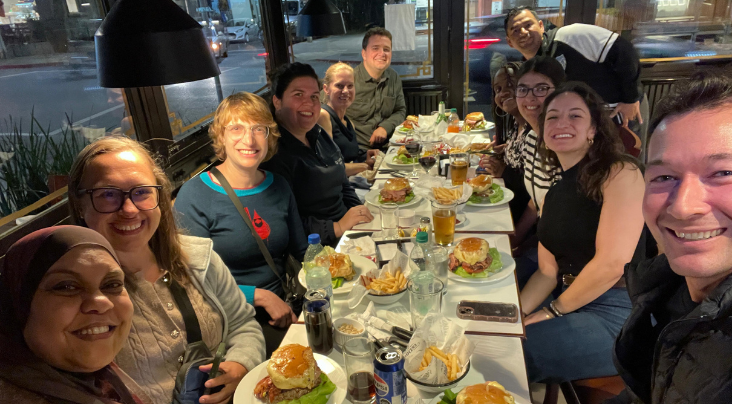
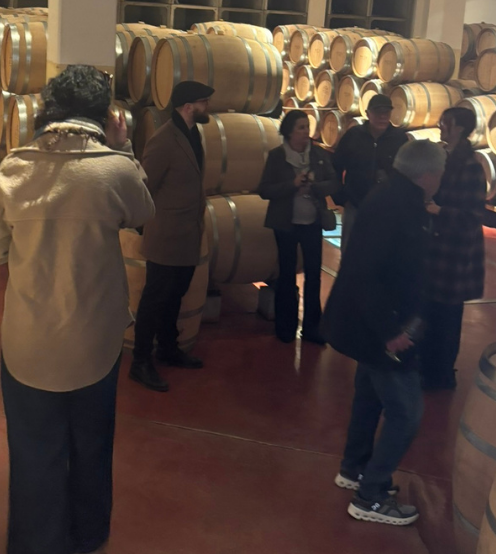
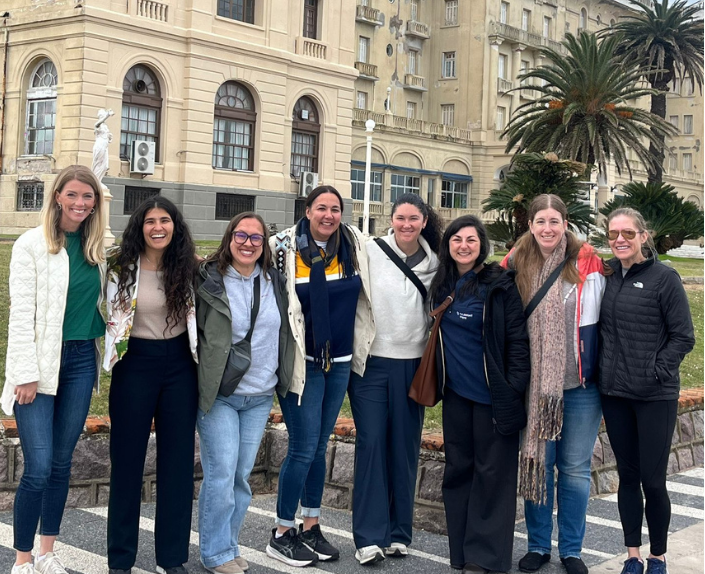

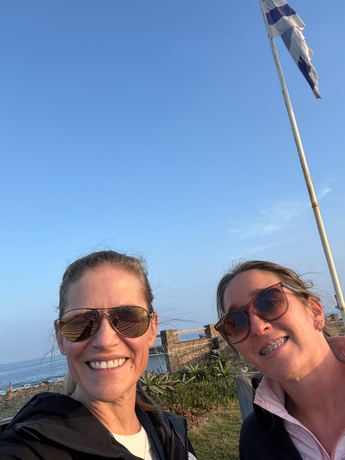
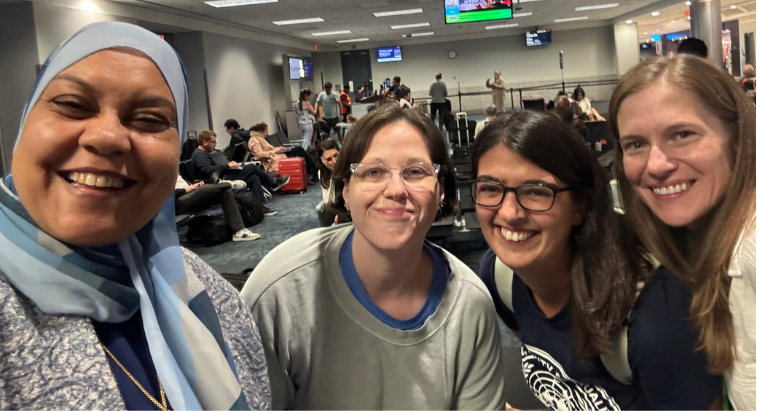
Learning did not happen only between the United States and Uruguay. I was traveling with educators whose experiences, content areas, communities, and perspectives differed from my own.
I intentionally tried to spend time with different members of the group rather than experiencing the trip within one small circle. Conversations over meals, during travel, at school visits, and while exploring Uruguay became another form of professional learning.
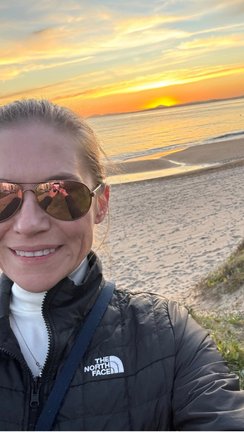
I also learned the importance of taking time alone when I needed it. Global travel can be exciting, demanding, social, reflective, and exhausting – sometimes all at once.
Cats of Uruguay
I have always loved cats, so naturally I notice them everywhere. Some were clearly accustomed to people. Others were best admired from a respectful distance. Photographing them become one of the small, completely unplanned ways I documented Uruguay.


Experience The Place


Return with Better Questions
What Did I Bring Home?
I traveled to Uruguay asking how educators adapt curriculum and instruction to keep pace with rapidly evolving technology.
I returned with a more complicated answer. Technology matters. Access matters. Infrastructure matters. Professional learning matters. Teacher expertise matters. Culture matters. Relationships matter. And none of those elements operates independently.
The experience reinforced the importance of looking at education as a system. Behind every system are teachers and students making decisions with the resources, knowledge, relationships, and opportunities available to them.
Perhaps the most valuable outcome of global travel is not returning with answers about another country. It is returning with better questions about your own.
Your Turn!!
If you could enter another community as a learner, what would you want to understand?